Plastic
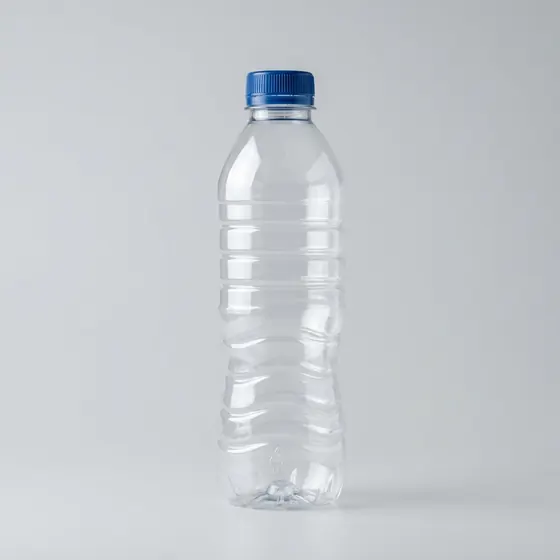
PET (1)
Polyethylene terephthalate
Water and drink bottles, shampoo bottles.
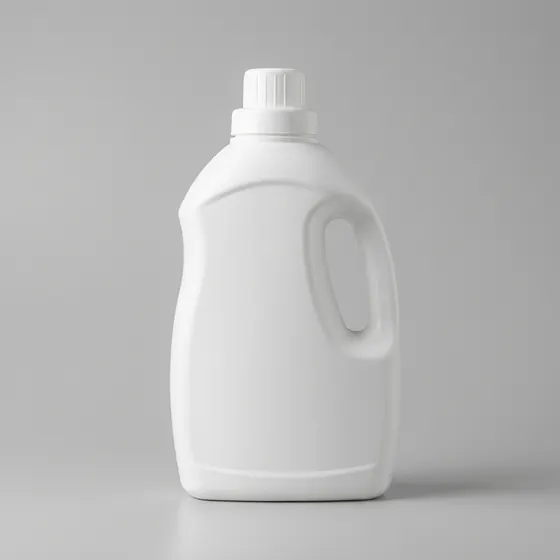
PE-HD (2)
High-density polyethylene
Yogurt containers, detergent bottles.
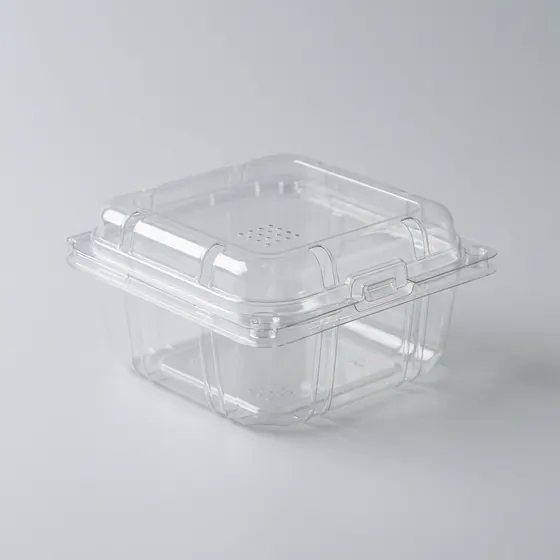
PVC (3)
Polyvinyl chloride
Food containers, films.
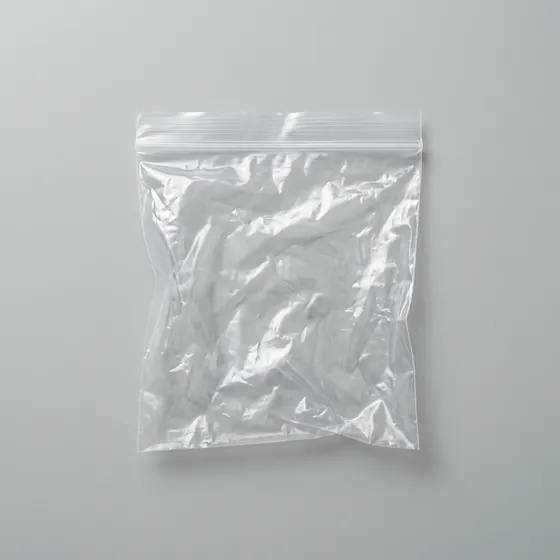
PE-LD (4)
Low-density polyethylene
Frozen food bags, squeezable bottles.
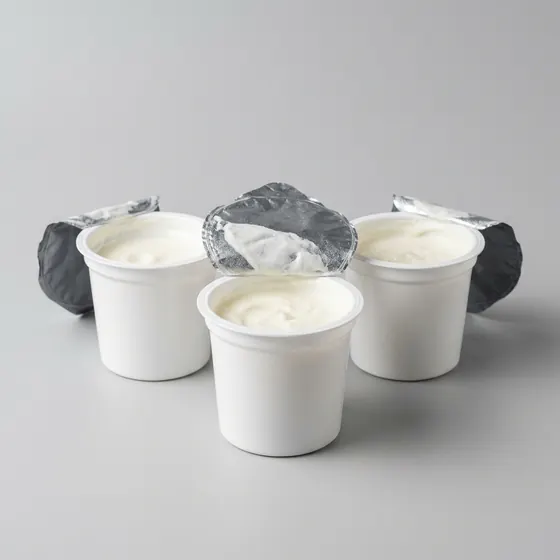
PP (5)
Polypropylene
Ketchup bottles, yogurt cups.
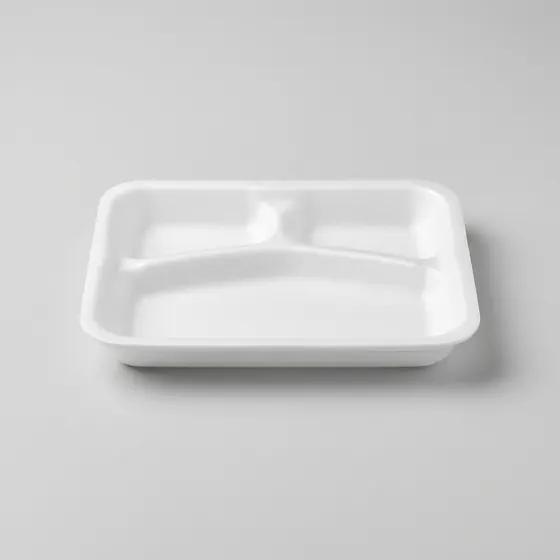
PS (6)
Polystyrene
Disposable cups, food trays.
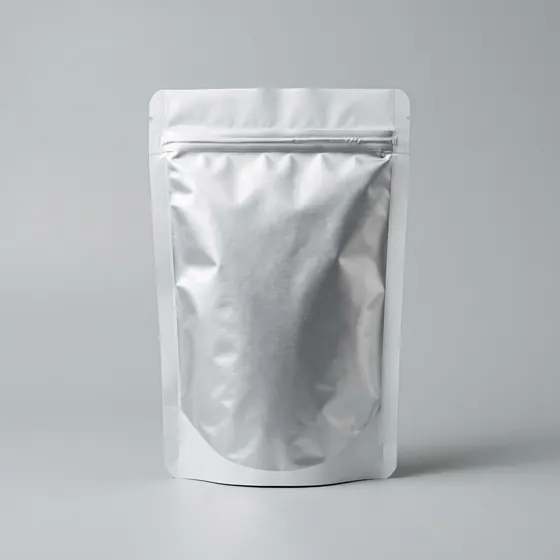
O (7)
Other plastics
Non-recyclable or composite materials.
Metals
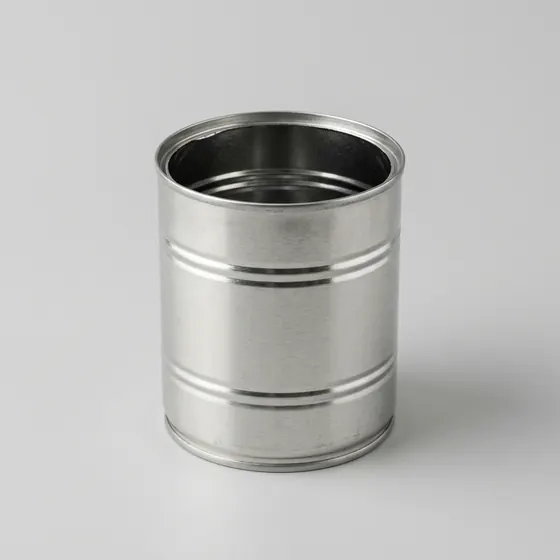
FE (40)
Steel (iron)
Cans, jars, small tins.
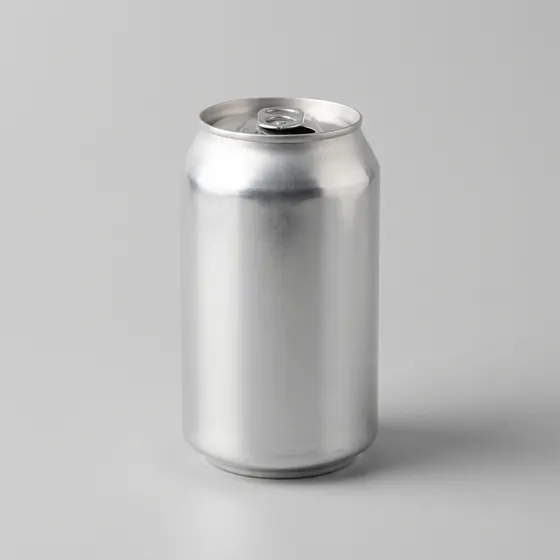
ALU (41)
Aluminium
Drink cans, trays, aluminium foil.
Paper and cardboard
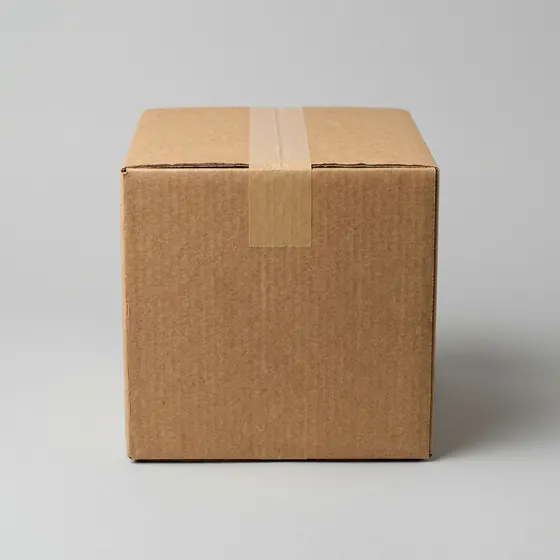
PAP (20)
Corrugated cardboard
Packing boxes.
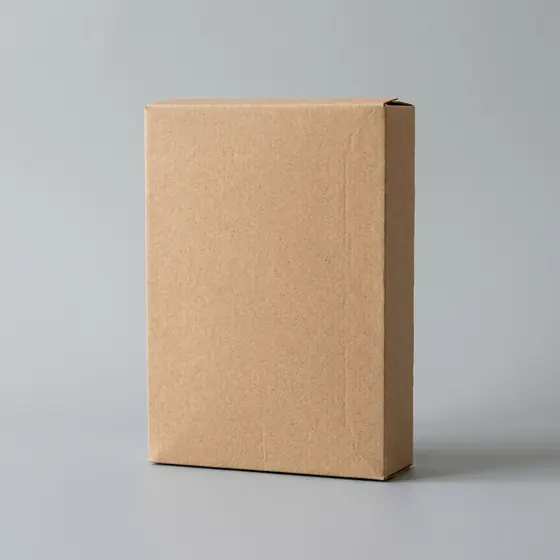
PAP (21)
Non-corrugated cardboard
Pasta and cereal boxes.
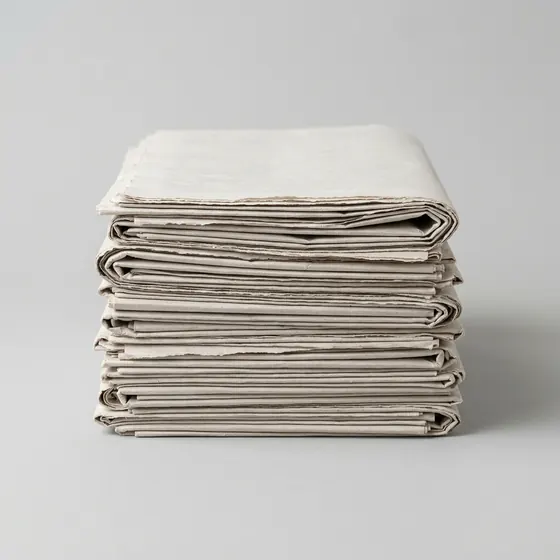
PAP (22)
Paper
Newspapers, magazines, paper bags.
Glass

GL (70)
Colourless glass
Water bottles, jars.

GL (71)
Green glass
Wine or sparkling wine bottles.

GL (72)
Brown glass
Beer and wine bottles.
Wood and cork
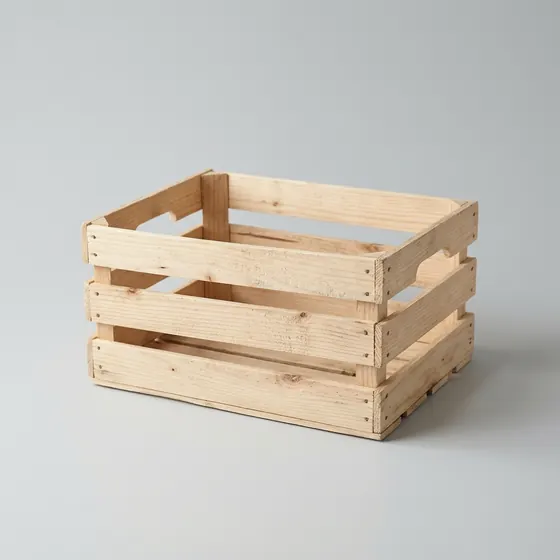
FOR (50)
Wood
Fruit crates, small packaging.
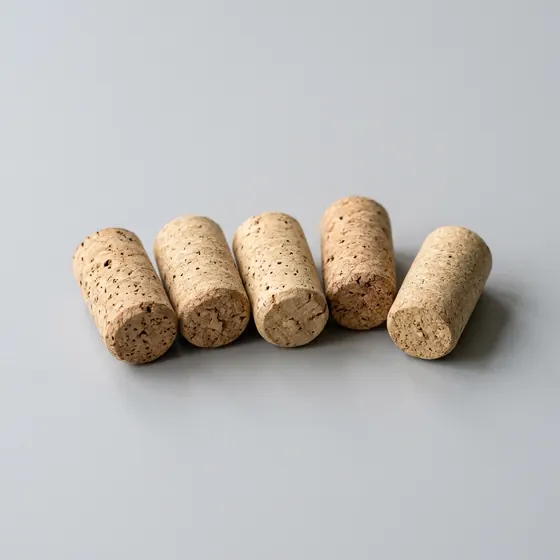
FOR (51)
Cork
Wine bottle stoppers.
Textiles
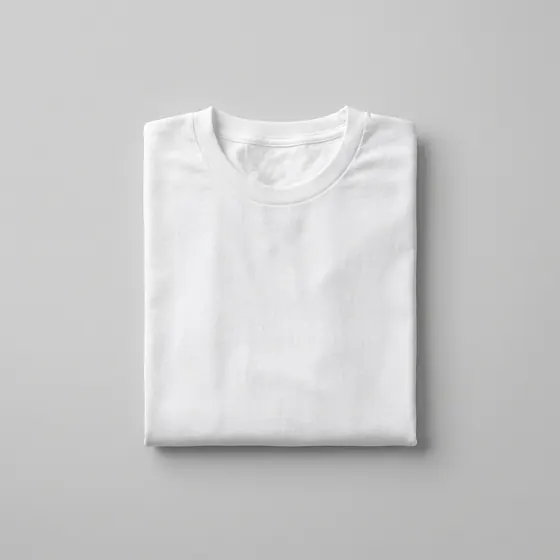
TEX (60)
Cotton
Cotton fabrics and clothes.

TEX (61)
Jute
Jute sacks and fabrics.
Packaging material identification codes (European Commission Decision 97/129/EC). Collection rules can differ from one municipality to another: if in doubt, follow your municipality’s regulations.
Frequently asked questions
What does the PET (1) symbol on packaging mean?
Code 1 (PET) stands for: polyethylene terephthalate. Examples: Water and drink bottles, shampoo bottles.
What does the PE-HD (2) symbol on packaging mean?
Code 2 (PE-HD) stands for: high-density polyethylene. Examples: Yogurt containers, detergent bottles.
What does the PP (5) symbol on packaging mean?
Code 5 (PP) stands for: polypropylene. Examples: Ketchup bottles, yogurt cups.
What does the FE (40) symbol on packaging mean?
Code 40 (FE) stands for: steel (iron). Examples: Cans, jars, small tins.
What does the ALU (41) symbol on packaging mean?
Code 41 (ALU) stands for: aluminium. Examples: Drink cans, trays, aluminium foil.
What does the PAP (20) symbol on packaging mean?
Code 20 (PAP) stands for: corrugated cardboard. Examples: Packing boxes.
Where do I throw it away? List of items
Always at hand in the app
Search a symbol by number, letters or material, or point the camera at it: SmartRicicla tells you where it goes.